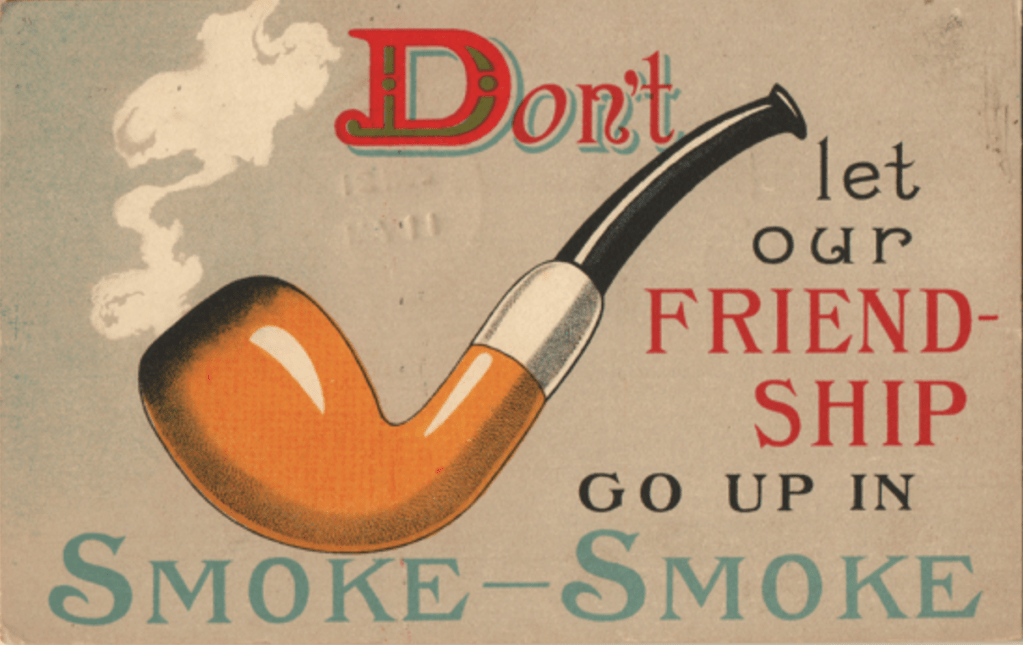
As we have, in this space, considered the place held in postcard cartoons by cigarettes and cigars, it is only logical to move to the pipe. (I dislike to throw spoilers into my text, but those of you who were planning to come around next Wednesday to read about snuff, snoose, or other similar products can cancel those pipe dreams right now. Despite being stalwarts of humor in their various roles, their role in society had been so sidelined during the golden age of postcards that I have found no hint of them. Oh, and, by the by, the phrase “pipe dreams” has nothing to do with tobacco, despite the best efforts of advertisers. While as for vaping, this, of course, comes…where were we?)
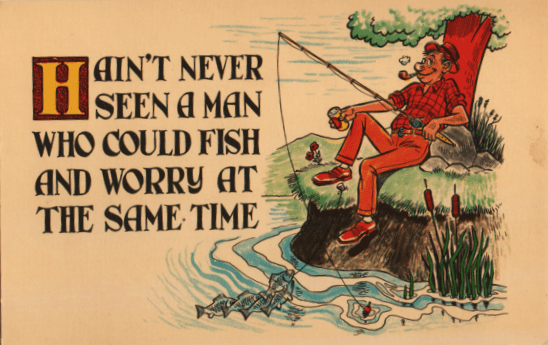
In some postcards, we see the pipe smoker as a man of leisure, as unhurried in comparison to the cigar smoker as the cigar smoker was when compared to a cigarette fiend. The cigar box, humidor, and cigar cutter could not compete with all the machinery and accessories used by the pipe smoker, while the whole process of loading, lighting, and drawing on the tobacco in the pipe was not intended for men of haste. (Part of the reason so many go-getters and live wires in twentieth century movies were shown as cigarette folk.)
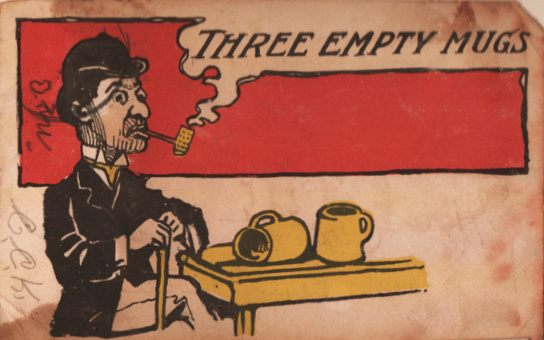
Somebody who sits down and lights up a pipe is someone who is planning to hang out for a while. This kind of leisure has nothing to do with their financial status: like cigars, pipes could be exceedingly expensive or amazingly cheap.
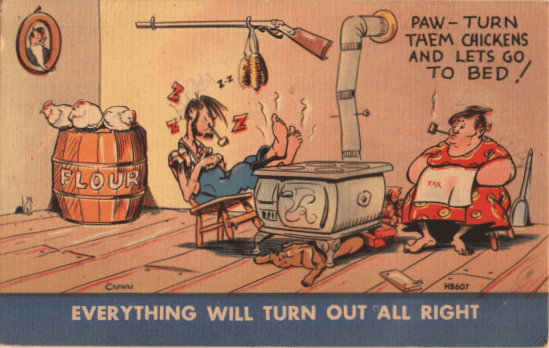
That being said, the postcard cartoonists largely gave us pipe smokers who were socially and ethnically outside the mainstream. Folk from way back in the hills frequently had their corncob pipes clenched in their teeth. Note that women, absent entirely from our cigar postcards, have returned. This adds to the comic effect; loke the chamberpot, the housewife’s pipe was something mid-century Americans liked to forget ever had anything to do with THEIR families.
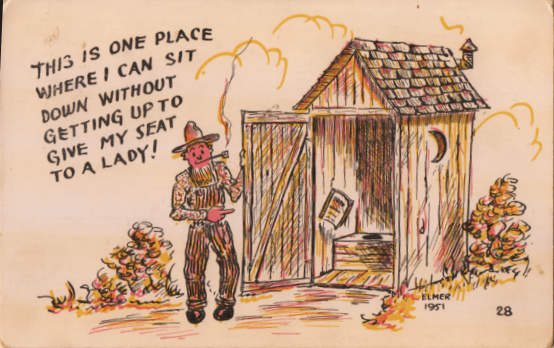
Oh, and the outhouse. Nearly forgot.
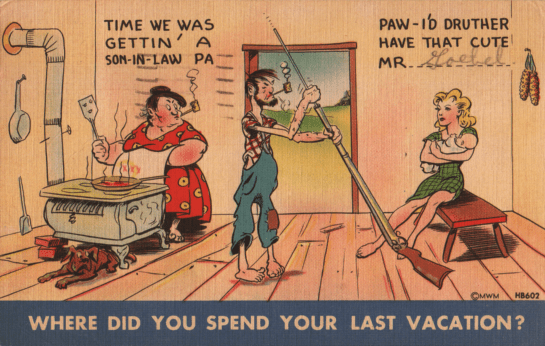
Mid-century America’s fascination and glorification of the hillbilly, which existed before Li’l Abner really spread it across the comics pages and continued even after the cancellation of The Beverly Hillbillies, does not seem to have been studied properly, and what with needing to get to the store this afternoon for chicken nuggets shaped like the numerals 6 and 7, I don’t have time to go into it now. Suffice it to say that postcard cartoonists certainly played along with the trend.
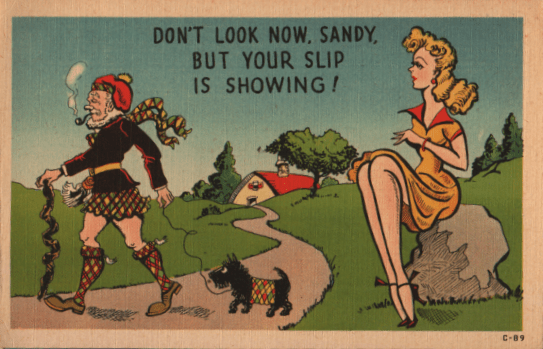
But the hillfolk are not the only ones who found their cultural identity tied up with pipes on postcards.
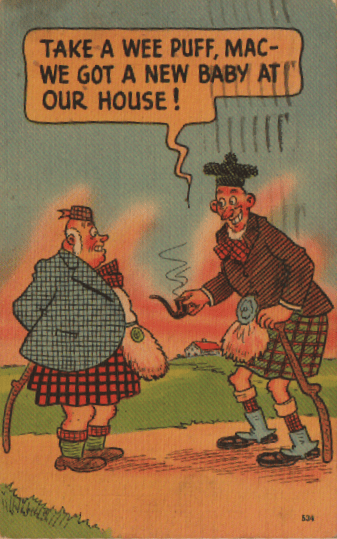
Are these postcards evidence of ancestral recollections of the migration of the Scotch-Irish to the hills and valleys of America? Let’s move along; that way lies dissertations.
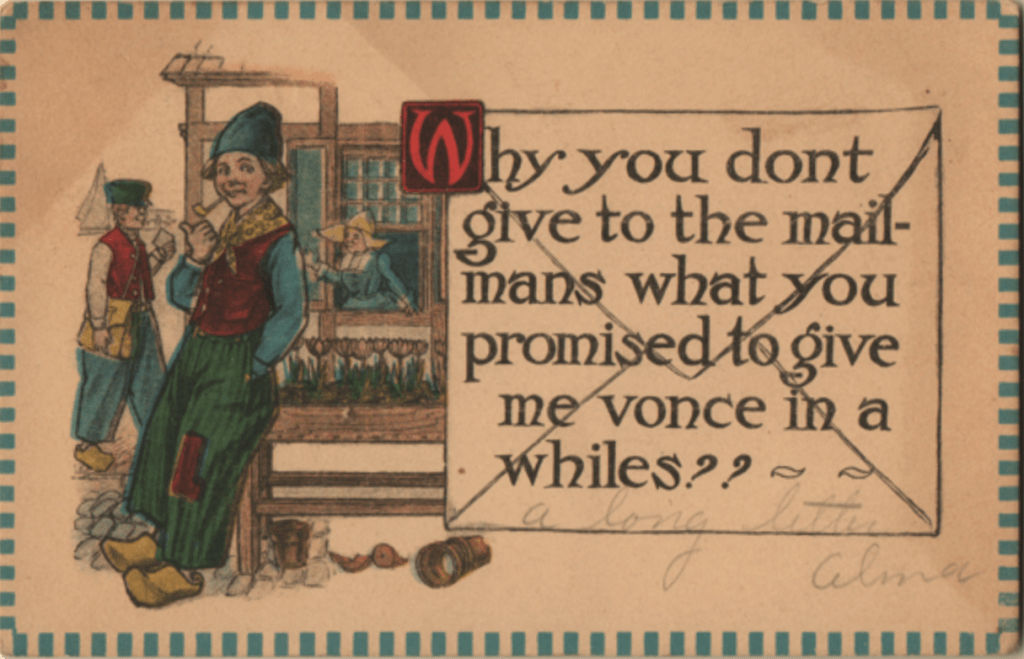
And in any case, there are OTHER groups which found themselves identified by their pipes. Yes, we are back among our friends from the Dutch postcard craze of the early twentieth century. Their accessories ranged from the small, cheap clay pipes of common commerce….
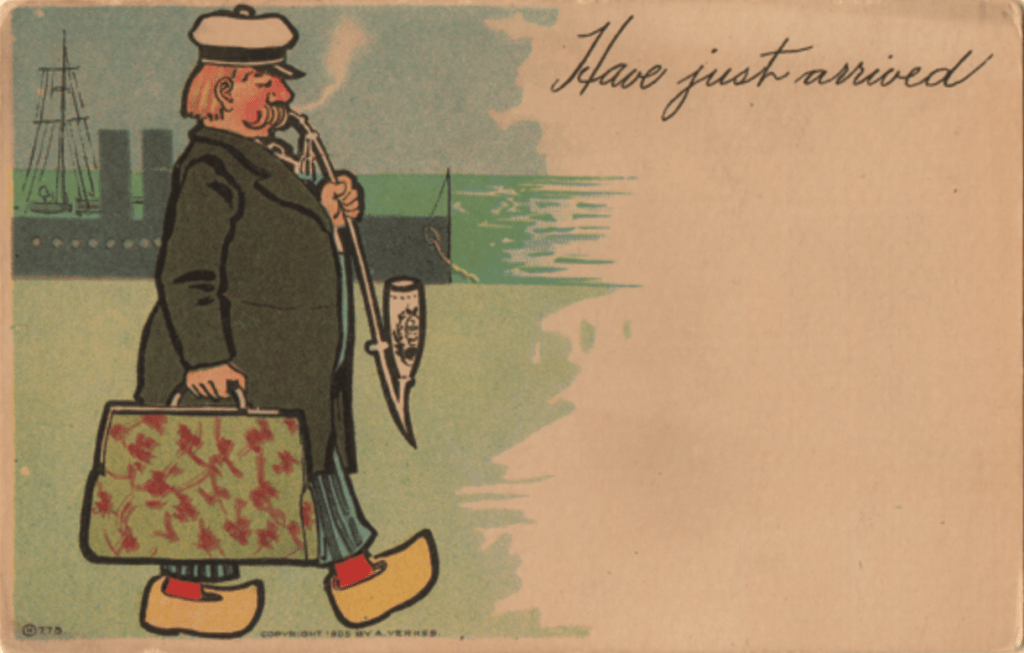
To elaborate and luxurious Meerschaumery. (How DID he get that across the ocean unbroken? Another example of Dutch ingenuity.)
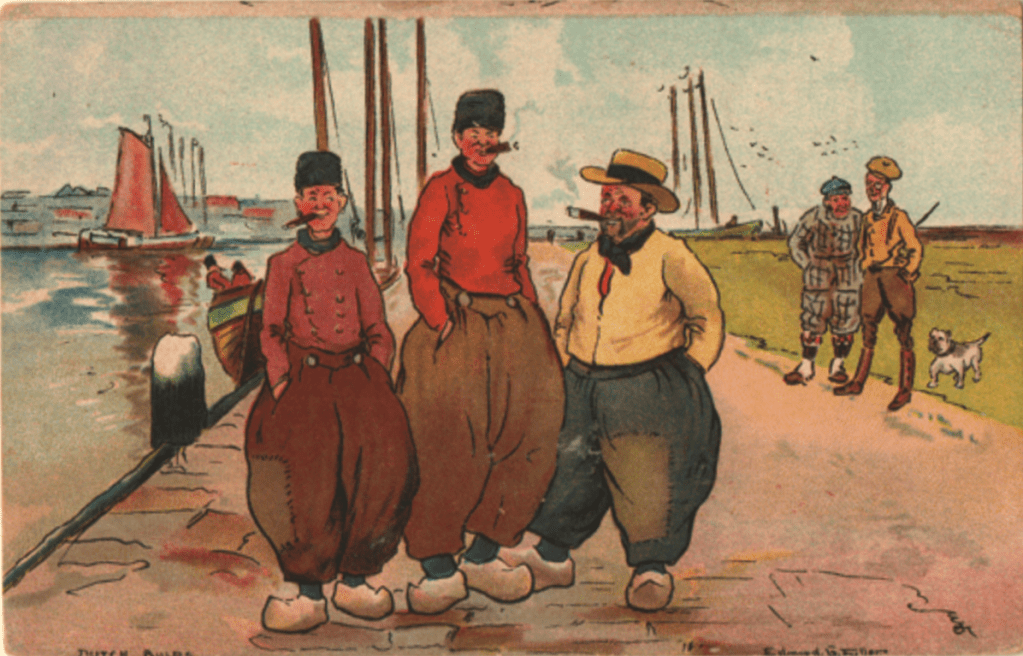
However, none of these groups were consistent in the typecasting of their tobacco. Like the Scotsman with the cheap cigars in our last thrilling adventure, the Dutch could not be tied down. (Anyone else thinking of Dutch Masters Cigars right now?) The hillbilly is sometimes seen with a cigarette, but the reliance on pipes in their case may be related to their use of other tobacco forms which have been largely, by postcard cartoonists at least, been snuffed out.

