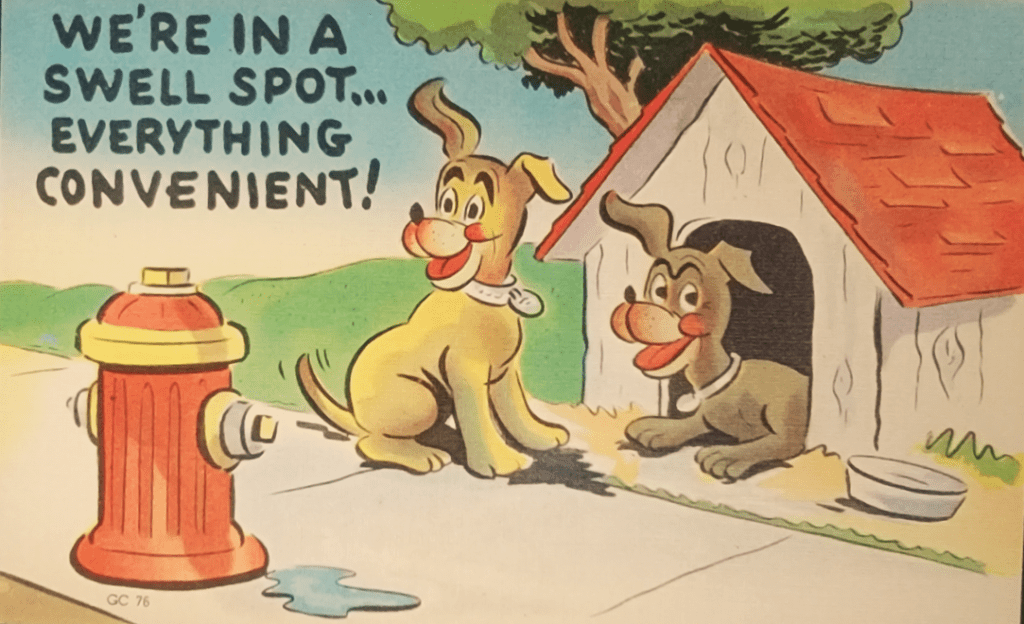
It is hardy the job of this blog to critique architecture, but I a as ready and equipped to give advice on the matter as anybody else who dispenses information on the Interwebs. So today we will consider some of the principles in constructing a useful dachshund domicile, collie cottage and other dog houses as seen in the encyclopedia offered by old postcards.
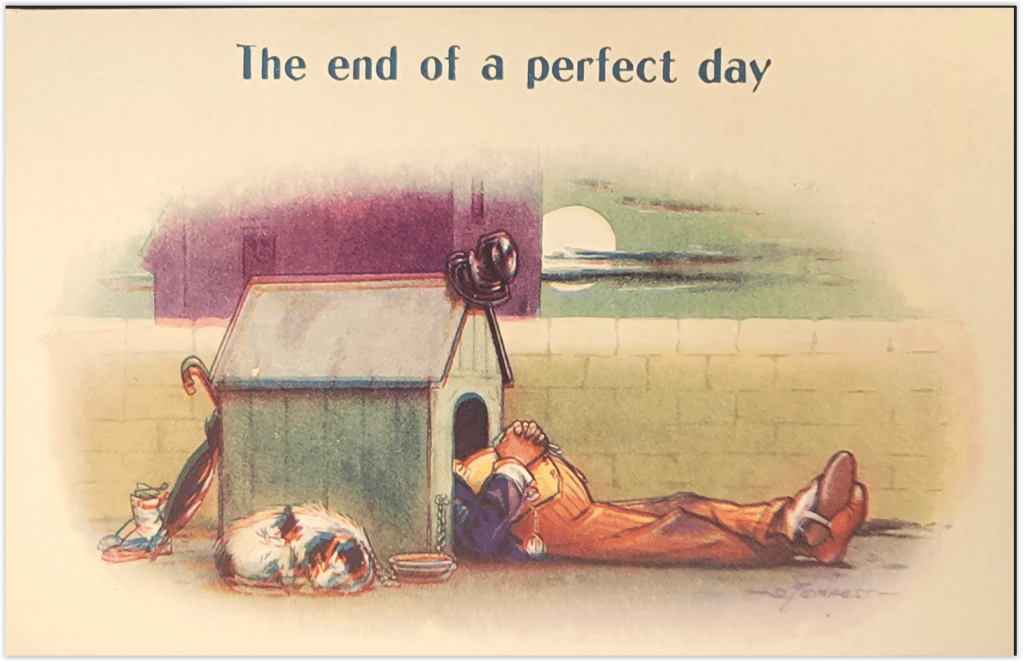
What strikes us right away is how standard design was: a basic single-occupant building with four walls, arched door, and peaked roof. I don’t know about you, Gainesburger goulash, but I was expecting a little more variation at least once we got back into airedale architecture of a century or more ago. But no, there were no spaniel split-levels or poodle porches. (Okay, I’ll stop now.) This design was set at an early period, and everyone has followed suit, on postcards, anyhow.
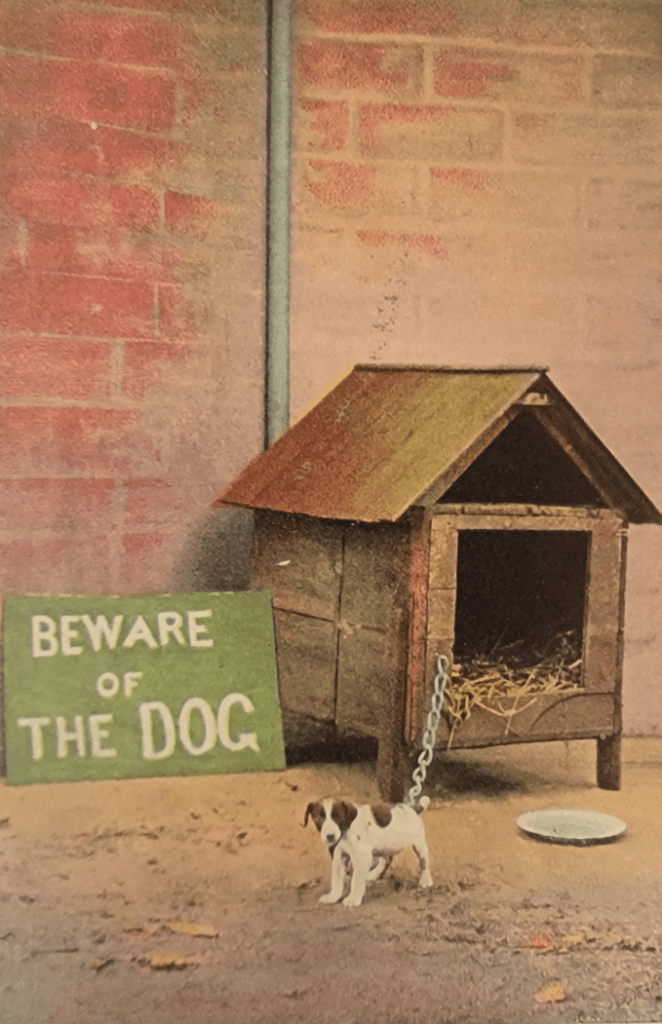
A FEW old photographs show a flat roof or a square door, but most builders, like our cartoonists, took no such chances. (I kind of like the open attic shown in this postcard from 1914. Maybe Skipper there rented out the second story to pigeons.)
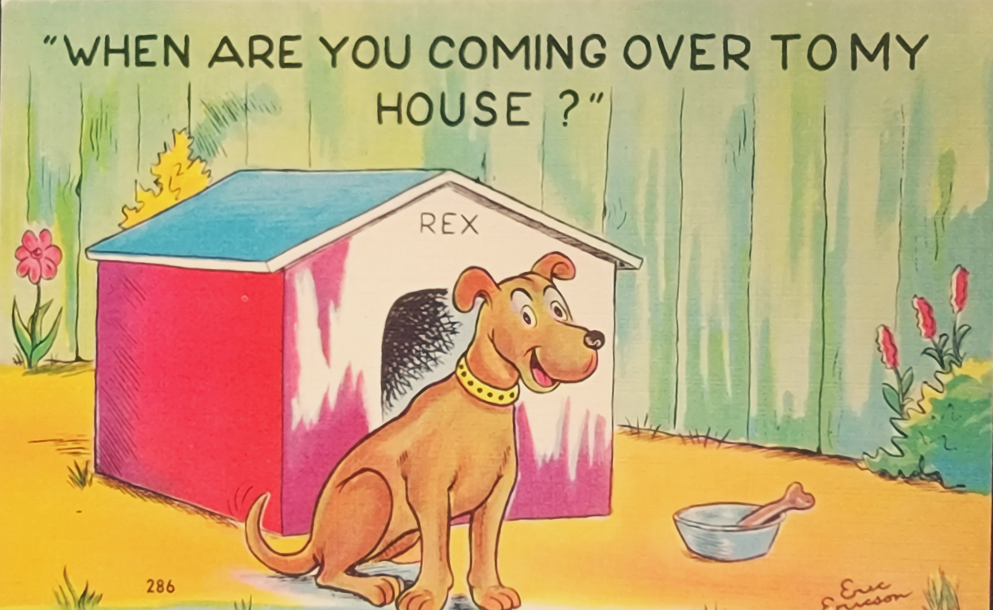
What variations occur involve plain decoration, The color of the house depended on what sort of wood or paint was available. Several designers also included the name of the occupant over the door.
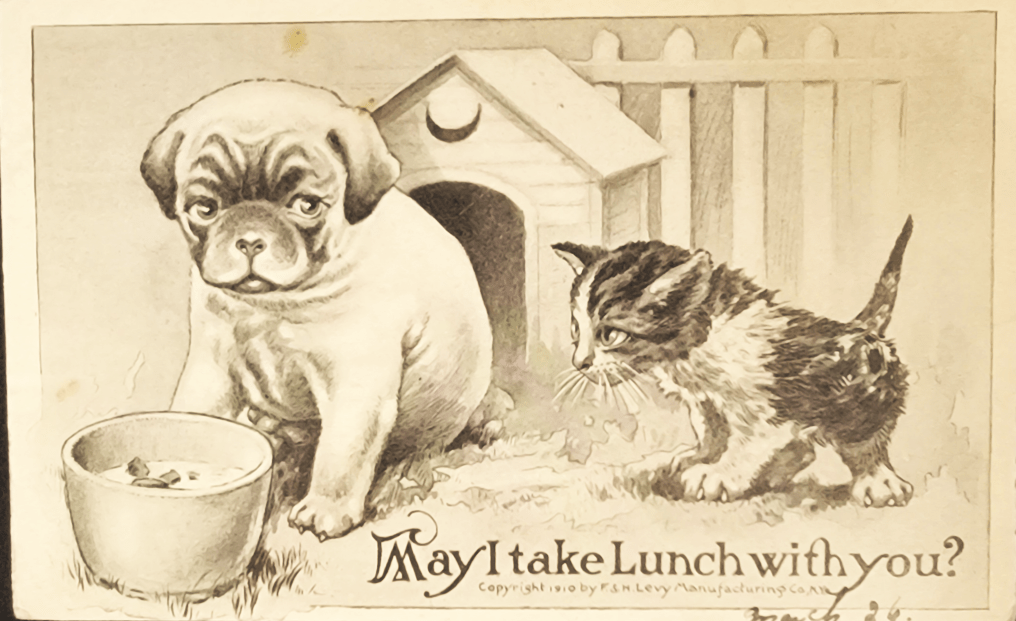
We have discussed hereintofore the moon cut above the door in outhouses. I don’t know if our cartoonist felt this was a neat feature, or based his picture on a real doghouse cut down from a repurposed privy.
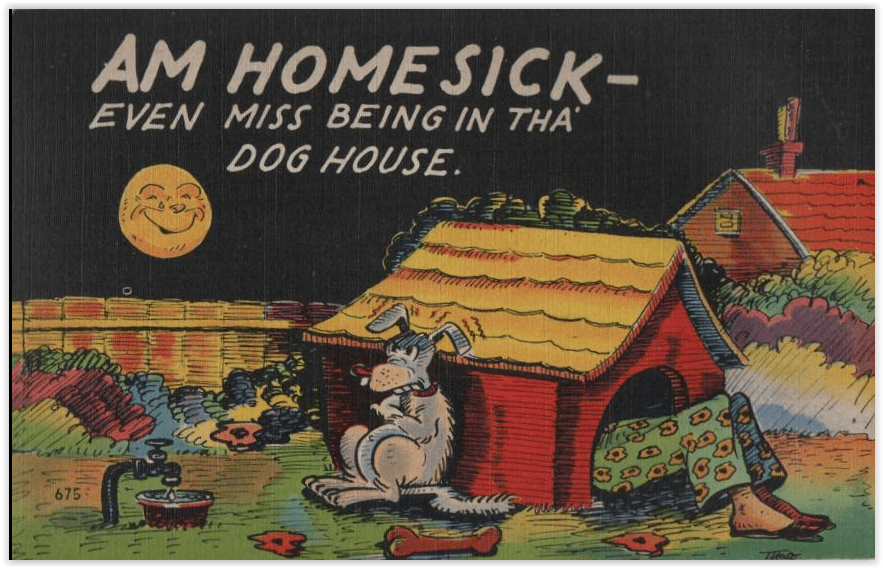
In general, cartoon doghouses have doors which open flush with ground level, unfortunately making things easier for squatters and other two-legged visitors.
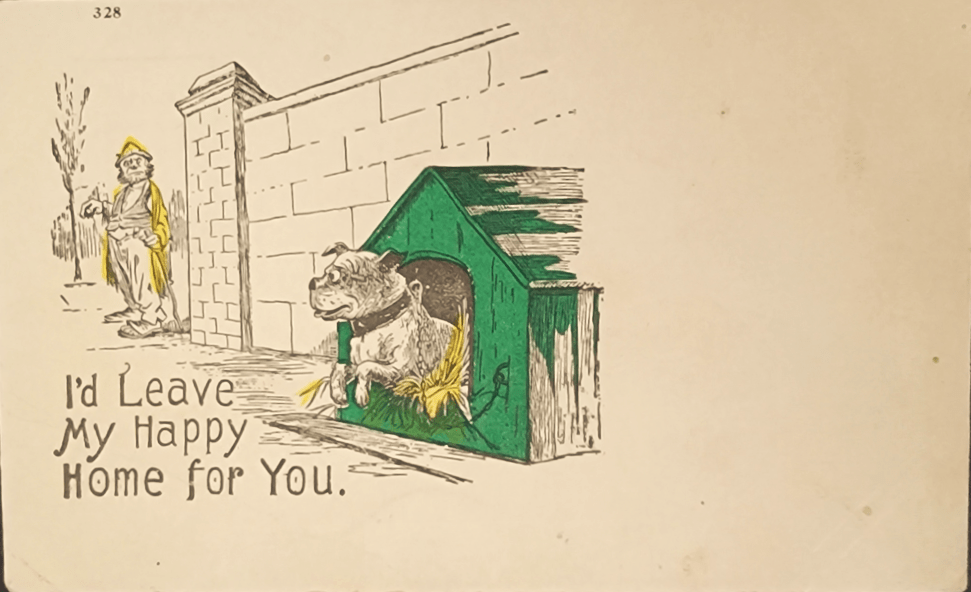
But quite a few examples exist with a threshold which needed to be stepped over. This probably kept rain puddles from flowing in, or impeded snow that could drift inside during the winter.
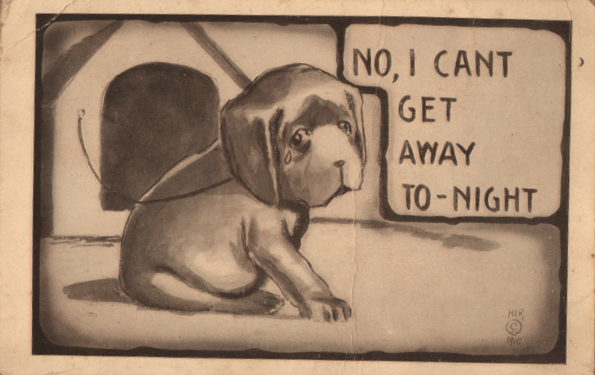
A more common option was the tether. Unlike the little doorstep (which possibly also made the structure a little more stable), this depended almost entirely on the joke involved.
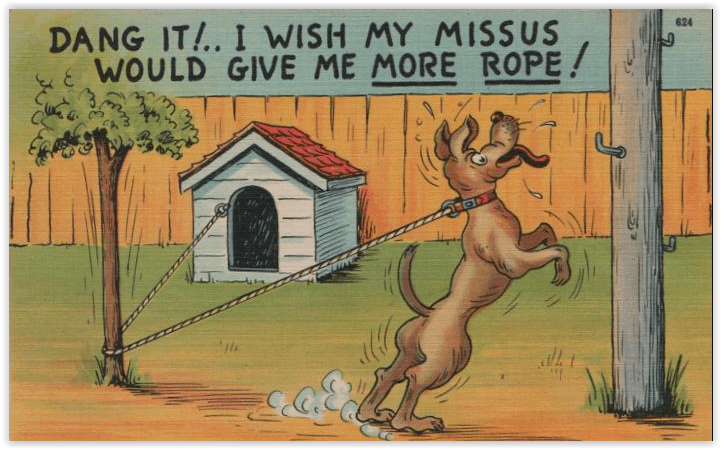
Which is also true when it comes to the length and composition of the tether. (Hey, do I get any points at all for NOT using a joke about him calling the landlady to extend his leash? No? I guess virtue really is its own reward.)
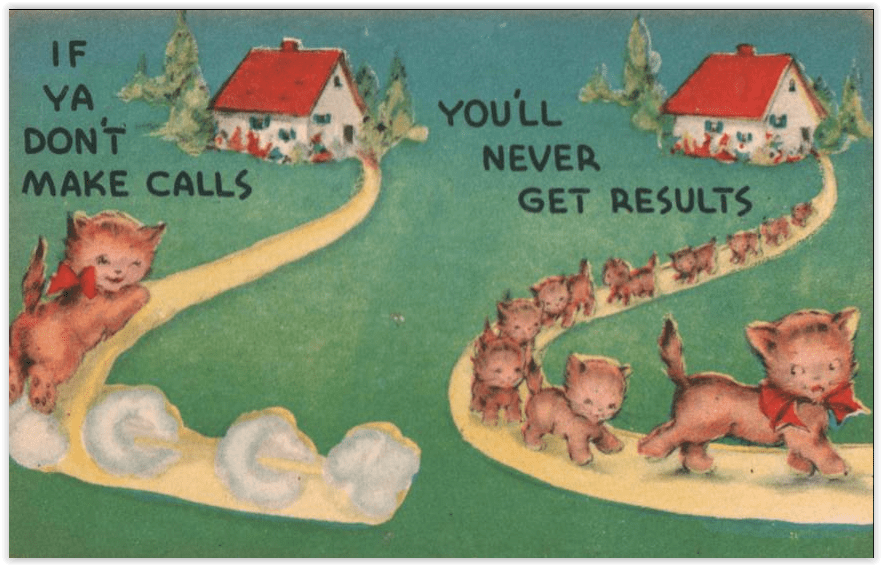
And that is all I can find to discuss in the architectural history of doghouses. Maybe next tine we can tour a few postcard chicken coops. I was thinking about discussing cartoon cathouses, but you would not believe the kinds of things that came up when I tried to search the Interwebs about THAT.
 Blogsy Babbles