
We continue to hunt for conspiracy theories involving each President of the United States. To qualify, the story must be more or less contemporary with the President involved, and must be discounted by a majority of Mainstream Historians. I was expecting the boring Presidents of the late nineteenth century to be fairly free of such things, but politics has been politics has been politics all along, I reckon.
A letter purportedly from JAMES A. GARFIELD was “revealed” in a newspaper shortly before the 1880 election. In it, Garfield assured a group of businessmen on the west coast that he would not limit immigration from China: this would enable them to keep wages really low, since the immigrants would work cheap. This letter was proven to be a forgery, but the scandal did cost him a few votes in working class groups, though it may have convinced a few business leaders to vote FOR him. Garfield was, of course, assassinated, but apparently no one has ever felt Charles Guiteau, his assassin, was part of any conspiracy.
CHESTER ALAN ARTHUR was not done a lot of good by Guiteau, who claimed from time to time that he had shot Garfield so Arthur, who came from a more hardline branch of the Republican Party, would be President. But he had other problems. A few writers complained about him being referred to as “General Arthur” since, although he HAD in fact served at that rank during the Civil War, he never saw combat, so calling him “General” was just dales publicity. (Look, SOMEBODY has to be in charge of housing and feeding the troops.) A few people, looking up his records, found he WAS lying about his age, claiming to be a year younger than he actually was. Historians consider this to have been a matter of vanity. One writer at the time, however, considered it a sign of a deeper, darker conspiracy: Arthur was also lying about his place of birth and even his middle name. Chester Abell Arthur, according to this writer, was born in Scotland or Ireland, and ineligible to be President at all. (Apparently, no one but that author ever found any traces of Chester Abell. But keep this conspiracy theory in mind. We may see it again.)
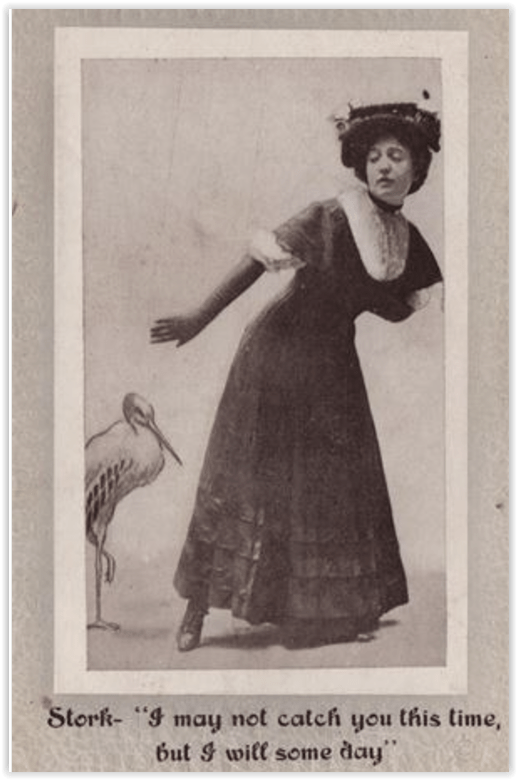
GROVER CLEVELAND, “Grover the Good”, was known for his clean record, while his opponent, James G. Blaine, “the noble plumed knight” had been smeared by association with political machines. So the story that Grover had produced an illegitimate son, whom he put in an orphanage while forcing the mother into an asylum, was the key to getting Blaine elected, especially when the baby’s mother produced her story of seduction and incarceration. Cleveland, however, produced another story, which voters and subsequent historians accepted. The mother of the boy was a widow who had left two previous children behind in an attempt to make a living in the big city. She attracted the attentions of four well-to-do men, any of whom could have been the father of the lad. At the time of the birth, Cleveland was the only one of the four who was a bachelor, so he paid child support and, when the lady, understandably depressed by events whichever story was true, took to drink and neglected the baby, took charge of the child, named for himself and for one of the other possible fathers, and paid for the mother’s treatment in an asylum for alcoholics. Two celebrity clergymen came to the defense of Cleveland’s character, and a certain number of voters, impressed by the fact that he had at least paid up without making a fuss, sent the (then) bachelor President to the White House. (For the rest of the story, at least one of the mother’s blackmail notes is preserved, doing her subsequent reputation no good. Grover himself eventually married the daughter of his best friend, whose name also turns up in the other woman’s story. The baby, ten at the time of the election, seems to have grown up to be a physician, who lived until after World War II.)
 Blogsy Babbles